Samantha Signature: A Handwritten Font for Modern Branding
It was a quiet afternoon, the kind where your brand board feels like an empty canvas waiting to be filled with ideas. I opened my design software and dropped Samantha Signature onto a logo draft for a boutique skincare line. The moment it appeared, I knew this font had something special. It wasn’t just another script font—it carried a sense of elegance and approachability that felt just right.
A Font That Feels Both Timeless and Fresh
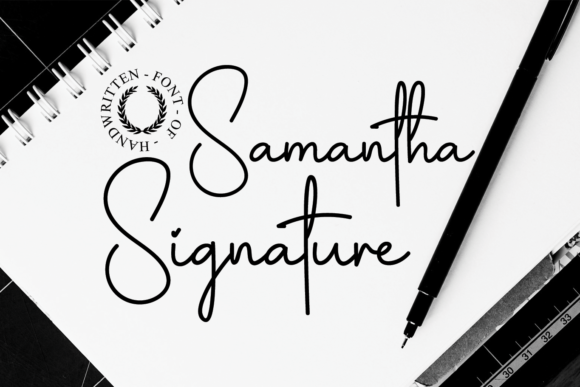
Samantha Signature is an exquisite handwritten font, masterfully designed to become a true favorite. Its strokes are deliberate, with a natural flow that mimics the rhythm of a real pen on paper. Yet, it doesn’t feel outdated or overly ornate. There’s a contemporary edge to its curves and spacing, making it feel modern while still holding onto the charm of classic calligraphy.
This balance makes it ideal for a wide range of creative applications. Whether you're designing a logo, a packaging mockup, or a social media post, Samantha Signature brings a sense of personality without overwhelming the message.
Testing Samantha Signature in Real Projects
I tested Samantha Signature across several branding elements to see how it performed in different contexts. On a logo concept for a handmade soap brand, it worked beautifully as the main typeface. The soft, flowing lines gave the brand a warm, artisanal feel that matched the product perfectly.
When I placed it on a packaging mockup, it added visual interest without distracting from the product itself. The font's legibility at medium sizes made it suitable for labels and tags, even when paired with minimalistic designs.
On a website header, it brought a touch of sophistication. Used sparingly, it elevated the overall look without making the site feel too decorative. For social media graphics, it was a great fit for captions and short promotional phrases—its character-driven style resonated well with audiences looking for authenticity.
When to Use Samantha Signature and When Not To
Samantha Signature shines as a display font, headline font, or accent font. It works particularly well for short phrases, logos, and brand identities that aim to feel personal and crafted. However, it’s not the best choice for long blocks of body text, especially in small sizes where readability can suffer.
If you're designing a formal corporate identity or a document requiring strict typographic rules, Samantha Signature may not be the most appropriate choice. It's more suited for creative, lifestyle, or artisanal brands looking to convey warmth and individuality.
Pairing Samantha Signature with Other Fonts
Font pairing is key to achieving visual harmony. Samantha Signature pairs exceptionally well with clean sans-serif fonts for contrast. In one project, I used it alongside Helvetica Neue for a café visual refresh. The combination created a balanced yet dynamic look—traditional meets modern.
For a more elegant feel, pairing it with a serif font like Georgia or Baskerville can add depth and sophistication. If you're going for a more playful vibe, a complementary script or handwritten font might work, but be cautious not to overdo it.
Practical Tips for Using Samantha Signature
Before using Samantha Signature in final client work, take the time to test it thoroughly. Try it in different weights, colors, and backgrounds. Check how it looks at various sizes, especially if you plan to use it in print or digital formats.
Also, ensure you have the correct commercial font licensing. Whether you're creating brand identity assets, packaging, templates, or digital products, having the right permissions is essential to avoid legal issues down the line.
Finally, don’t forget to explore any additional styles, alternates, ligatures, or swashes that come with the font. These features can help you fine-tune the look and make your designs stand out even more.
Samantha Signature is more than just a font—it's a tool that can shape the way your brand is perceived. With its blend of class and contemporary flair, it’s a valuable addition to any designer’s toolkit, especially for those working in Script Amp and Fonts spaces.